No One Touched the Cookies
And other things that happened at my name change

Gender Defiant is thrilled to welcome writer, disability activist, and art therapist Devin Zane. This is their debut essay for GD.
The morning of the hearing, my lawyer and I, along with several other trans folks and their lawyers—plus one of us with no lawyer—filed into the courtroom. Metal-detected, bag-searched, and badged, we sat down at a long table by the witness stand.
The court stenographer appeared, set up her equipment, then left again and reappeared moments later carrying a large covered platter. She set it down in front of us, in the middle of the table. Unwrapping the plate, she gestured: these cookies are for you.
None of us moved.
Lost and spiraling
Two months earlier, my lawyer had said, are you sure you want to change your name from Dianne to Dyanne?
My plan was to get rid of the i in Dianne—the name on my birth certificate—and change it to y. Not only did my parents spell my name Dyanne with a y, but so did every other official record, from school reports to Social Security. This small discrepancy. This single i on my birth certificate. It had become a barrier, preventing me from obtaining a passport, driver’s license, or Real ID.
I could not prove my citizenship. I could not travel.
After the Department of Vital Records in the state where I was born denied my appeal to amend a single letter of my name, I was devastated, having lost half a year through their bureaucratic process. Feeling lost and spiraling. Anxious for my safety.
Handmade
The courtroom for the name change was very formal, like something out of Law and Order, with flags and different levels. The lowest level, where we sat at our long table; the next higher level, with the witness stand; and the highest level, where the judge would eventually sit, flanked by a state flag, an American flag.
The cookies sat before us. Served as our collective focal point. Out of place with their uneven roundnesses, no two alike, so handmade. Each had been scooped onto a pan as a lump of batter and pressed out by a palm.
I do not exist in this civic church, this oaken arena.
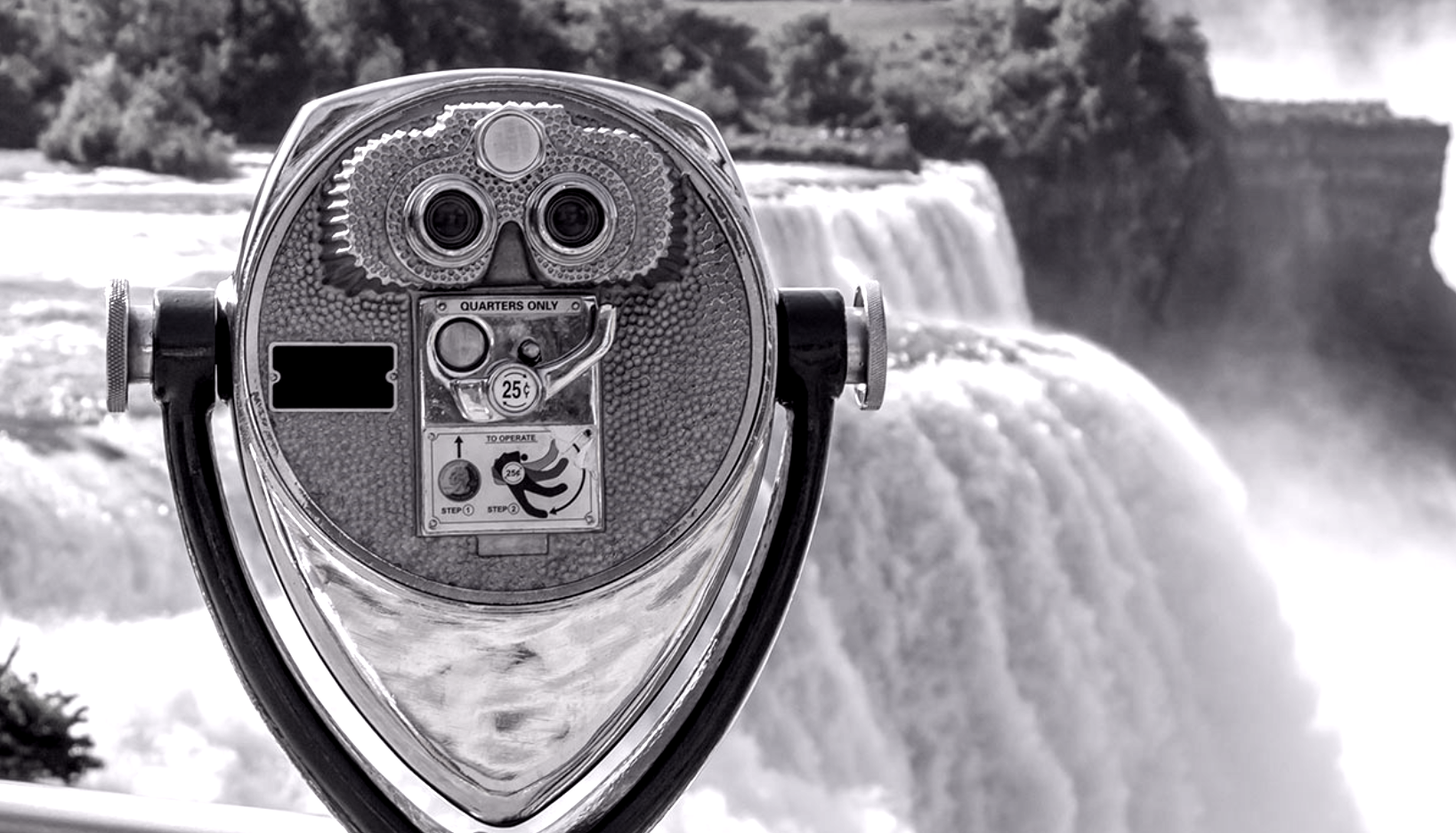
By contrast, the corners of our table were sharp and uniform, the floor laid straightly of parquet. The room smelled like maps and pencils and calipers. I thought of the eyeholes of metal viewers at Niagara Falls that the public can look through to Canada. I knew that somewhere on a hook, in chambers, hung a black robe, hidden but civic. From above the judge’s podium, I imagined, you could pull down one of those illustrated paper posters, like in grade school, with anatomy on it—visible man, visible woman, labeled with parts that match the current administration’s executive order. These two sexes, which exclude mine. I do not exist in this civic church, this oaken arena.
Behind us was a half-door to the gallery where witnesses or citizens, neighbors, friends, strangers, could sit, on benches. A few parents joined as we waited. Mine did not, as they are not living, but they would have; they accepted me. There were soft murmurings from the gallery.
A homecoming
When my lawyer had asked, four months prior, are you sure you want to change your name from Dianne to Dyanne, I did not give him an answer. Eventually he finished all of the paperwork, he had prepared for my official name change, for this court date. The name, he said, is all that’s missing.
I was not Dyanne though, I was Devin. Am Devin.
I began to call myself Devin after my divorce from a cisgender man a decade back. I asked everyone to call me Devin then, and they did. It felt like a rebirth. Everything in my world shifted. Devin was a discovery but also a homecoming. I came out as trans nonbinary.
I want the name Devin, I told my lawyer, but I am afraid, in this climate, under Trump, of the risk to myself, of the paper trail, if I do not match the official records assigned to me by my parents and the state.
My lawyer responded by encouraging me to claim my namesake. He recognized this was about more than the y or the i, pointing out that I signed off my emails to him Best, Devin. He asked the hard questions, helping me to face my own truth.
Are you going to let fear drive your decision, or your values?
This lawyer is a true ally, a pro bono attorney who stepped up when the local trans/nonbinary legal support organization lost funding under Trump. He was a referral, and I have paid the gesture forward, referring others to his services. He was even able to seal the record of my name change to guard my privacy.
Recognition
It was my therapist, though, who finally said: are you going to let fear drive your decision, or your values? That’s when I knew: I would choose Devin. My passion and my values won. I would do it not only for me but for my younger self who set out on this journey so long ago.
At last the bailiff announced the judge’s name. It sounded familiar. I hadn’t known what judge we would be assigned—might they deny our requests? My lawyer had apologized that such formalities were necessary at all. “It’s a shame you have to show up at a hearing,” he said, “but that’s where we are right now.”
 Gender Defiant
YOU MIGHT LIKE: our other name change stories.
The judge entered. We all rose. I recognized her. This was a judge who, decades earlier, I had voted for and supported and campaigned for. Put her sign on my lawn. I had helped put this judge in this room.
We sat down, then she came down to our table and addressed us: “Don’t be afraid. This is a celebration. The one day of the month I get to come in here and experience joy.” She pointed out the cookies no one had reached for that were there “for all of us.”
Gifts across time
I choked up because I knew what a gift it was to have this woman I voted for preside over this hearing. It was a circular gift across time. I was changing my name to care for my younger self. And my younger self helped elect this judge who cared for the future self I was about to claim. Devin.
One by one we were called by our new names to the podium, as to an altar. The judge repeated our name. It felt like a birth. There was joyous clapping from our table and from the gallery after each name was announced. The one representing themself was noted by the judge. They had come alone, with no friends or family. They got sustained applause.
The judge said she wanted to share with her partner what her best days at work look like. Could she get photos to document the occasion? Nobody said anything. Then slowly, one by one, all of us responded. We each stood beside her.
Then we ate the cookies. I had chocolate chip.
*
The author wishes to thank VoteRiders, whose mission is to help people get the correct documents to vote and to offer rides and funds to assist in the process, removing all barriers that have been deliberately put in place to suppress citizens’ votes.
After the laborious process of changing all their official documents, Devin had the most joy-filled experience of all: receiving their voter registration card. They are ready for the November midterms. To walk into the polls with their voter registration and Real ID.
Devin Zane is a writer, nonbinary disability activist, and art therapist who is taking up the bass.
Gender Defiant is a weekly essay series by writers and artists raising trans kids. Consider a paid subscription to help cover our expenses—we couldn’t keep doing this without you: