Tiny useful fact #2
U.S. passports did not have sex markers until 1976.

Gender Defiant will never be paywalled. To help get our stories to as many people as possible, please tell fellow parents, allies, co-workers, and friends about us! If you’re already a paid subscriber, thank you—if not, consider helping to underwrite our expenses by upgrading to paid.
In our series of myth-busting facts about trans life, here’s a great one.
Fact: U.S. passports did not have sex markers until 1976.
We meet people all the time who don’t know this. Parents, friends, mayors, political candidates. In fact, a lot of us at Gender Defiant learned this fact recently ourselves.
Sex markers were added to passports in 1976 during the rise of “gender bending” clothes and hairstyles, when boomers were rebelling against the restrictive social norms of the 1950s (note: unisex clothing was not invented by baby boomers, it has been around for hundreds of years).
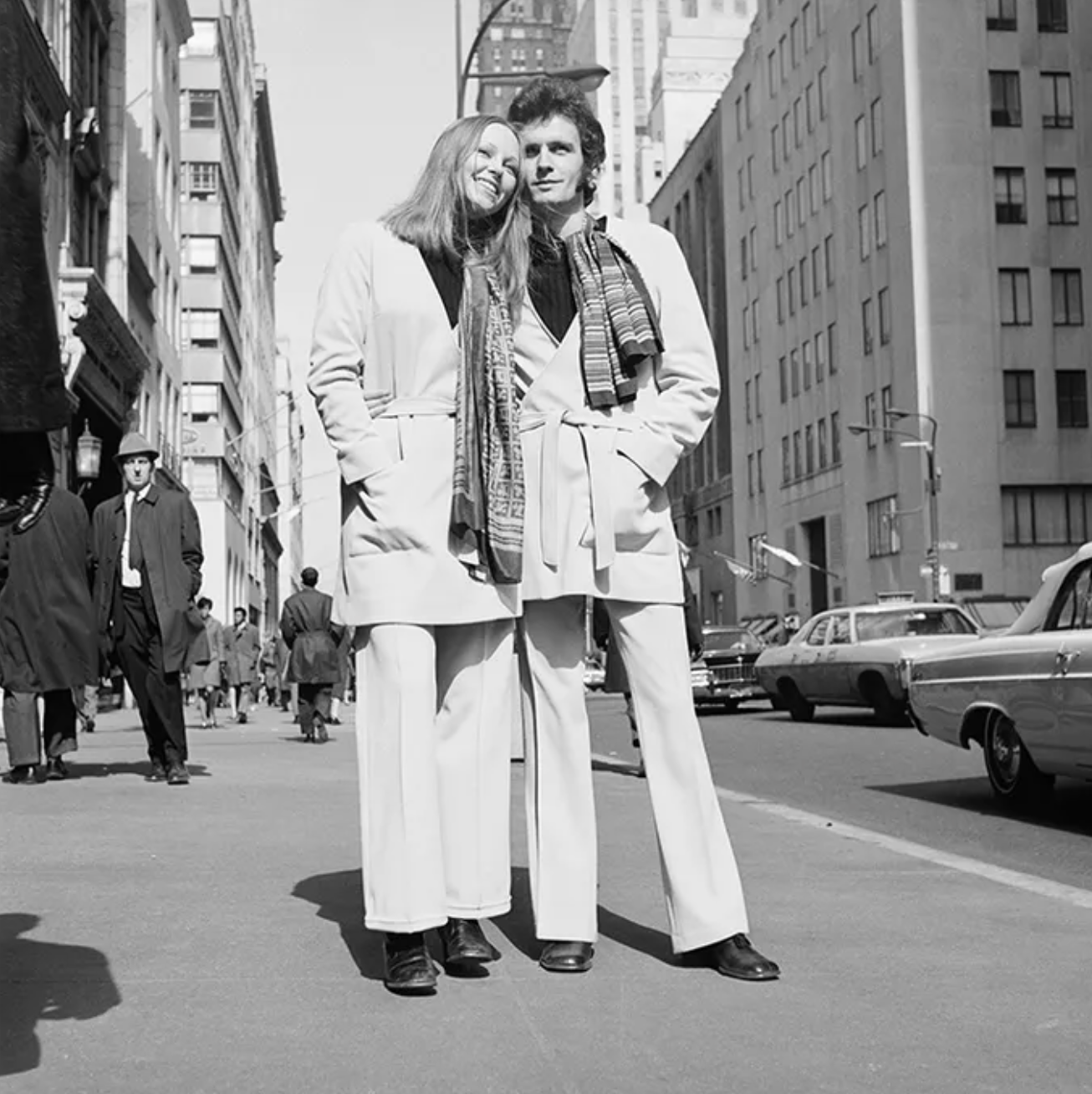
Gender markers were put on passports not to identify people, but control them. To control women at first, and now trans, nonbinary, and intersex people.
Gender markers don’t do anything besides create fear and anxiety in the people we love. And stir up moral panics that keep authoritarians in power.
Given that we now have biometric IDs, it’s clear that an F, X, or M on a passport is just extraneous.
Drop the fact into a conversation.
Your great aunt or father in law or babysitter says: “I guess people can use whatever pronoun they want, but a passport, you get into the country with it. It needs to show who you are.”
You say [leaving aside for the moment the question of whether gender should be who you are in the eyes of the state or of anyone]: “I just learned gender markers were only added to passports in 1976. If we didn’t need them before, why now, I started to wonder. Gender markers on passports create a lot of confusion and fear for people I know and their families. And expenses.
Now we have iris ID and other biometrics to identify people. So we could go back to no gender markers.”
Thanks for your courage to let loose tiny facts. People don’t often change their mind in real time, but they do think about things.
If you try spreading a fact, let us know how it goes: We.Are.Gender.Defiant@proton.me