“Lady Parts,” You Say?
What lady parts? I see only camel toe, hairy underpants, and a group chat about endometriosis
A close friend of mine, Bailey, has advanced endometriosis that went undiagnosed for years. Her prognosis is entwined with an additional, it turns out also hormone-related, chronic disease whose symptoms, diagnosis, and treatment were also botched by doctors for years. It’s all very serious, and enraging.
Anyone with female-assigned reproductive parts will be familiar with doctors dismissing their symptoms. It is a well documented fact that diseases affecting the reproductive systems of patients assigned female at birth are—
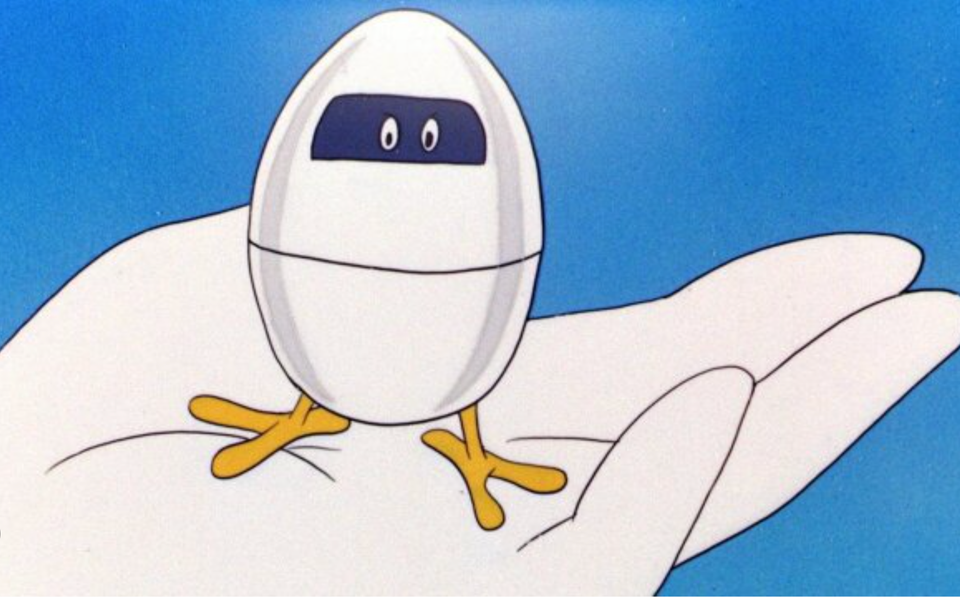
Egg carton
God, how tedious. Saying “reproductive systems of patients assigned female at birth” is like chewing an egg carton. No one in our chat was talking with Bailey about her “female-assigned reproductive system.” Instead the term was “lady parts.”
Now, a group of close cis women friends can say “lady parts” and still be inside true acceptance of the fact that one of them is the mom of a trans daughter, right? There is nothing wrong with the term “lady parts,” even if it carries a whiff of prudishness despite being used somewhat ironically. Lady Parts would be better as a name for a drag club.
But why were we saying “lady parts,” I thought, when anybody’s parts could be lady parts and be completely different from Bailey’s. I should say something, I thought, because I have an agreement with myself to not say nothing. And so I typed, softly, lady parts can include penis and testicles. Silence. Then quickly, to clarify, they’re all just parts. Thumbs up, thumbs up, thumbs up.
Come with me now on a walk through the absurd.
Costumes
I was listening to an interview later that day with Peaches, the conceptual artist and rock opera superstar who has consistently upended ideas of gender. She talked about her 2000 anthem “Fuck the Pain Away,” which over the decades since has been joyously adopted by almost every kind of person: “People [have] told me they’ve conceived to that song, given birth to it, had gender reassignment operations, realized they were gay.” (Peaches is now 59.)
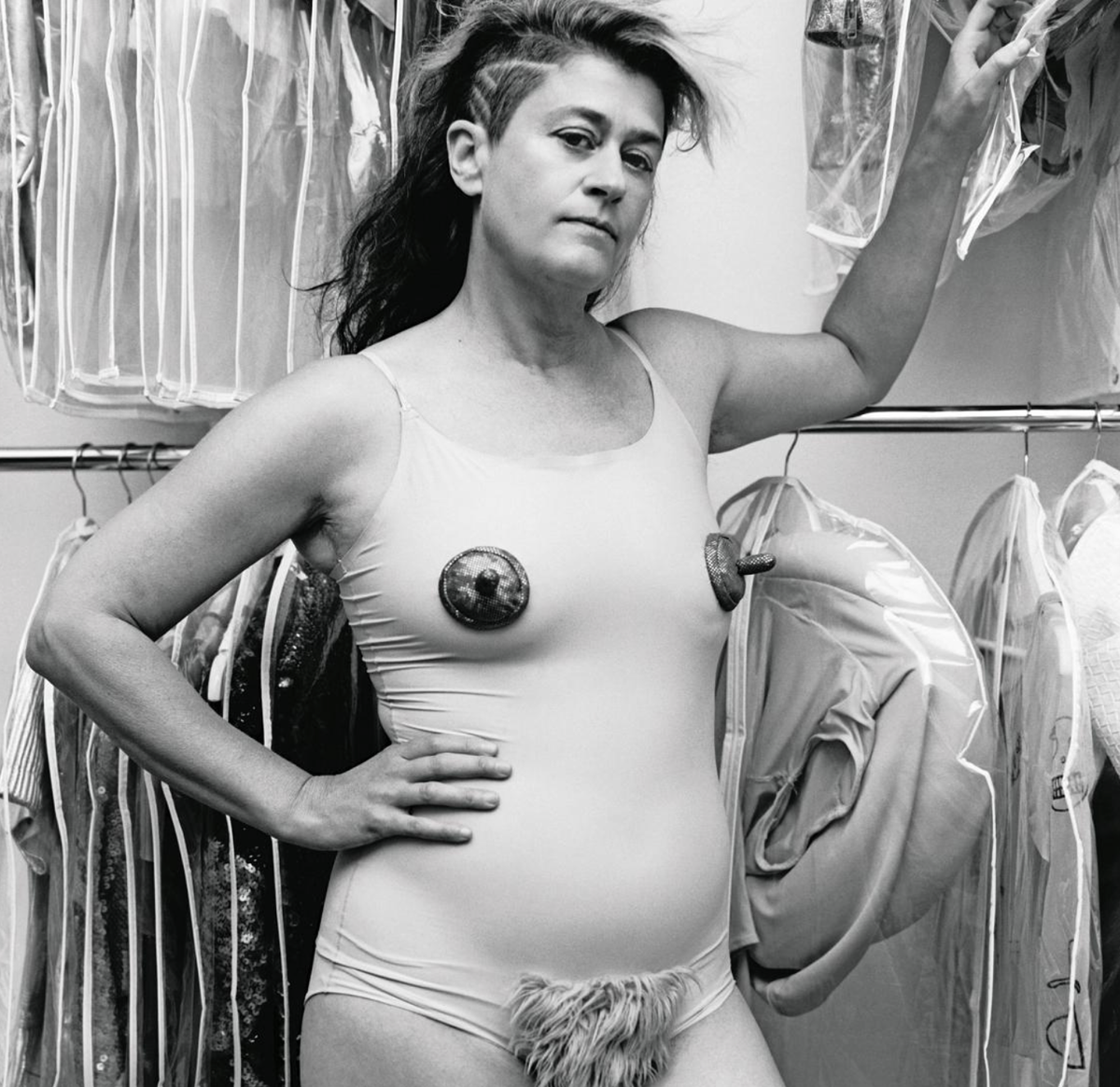
I was also super intrigued—as a more or less cis person opening myself to new (to me) visions of gender—by Peaches’ stage costumes. The breastplate made of 30 stuffed boobs with dirty Barbie heads stitched on as nipples, the hairy underwear in the portrait above. I love this subversion of “lady parts.” Hearing Peaches describe the costumes knocked something loose in me I didn’t realize had been, and was still, so rigid.
Early in her singing career, Peaches was criticized for appearing aggressive, so she got a pair of little pink shorts to wear onstage and was then blasted for camel toe. In response, Peaches decided to get more camel toe. Bigger camel toe. And that became a costume.
What spirit.
I would like to act in this spirit. I have no interest in writing screeds about group chats. I love my friends.
Love and humor
Interviewer Bella Freud asked Peaches if she would describe herself as pornographic. “I understand the graphicness,” Peaches said, “but I would say that I’m more of an absurdist.” An absurdist. That makes sense to me.
Critics scrutinize or mock or judge. Scholars interrogate. Commenters pop off. But absurdists have love. Even as they show us the limits of a thing, absurdists also have humor.
Regarding gender and enforcing what to call the parts we have, “what if the breast is in the middle of the forehead? Or what if you have 10 of them? or what if your your penis is at your hip? That is just as weird as having these rules about what [gender] is supposed to be,” said Peaches. “So, I feel like I’m just sort of humoristic, trying to reflect back on all these [ideas] we impose on ourselves or tell ourselves.”
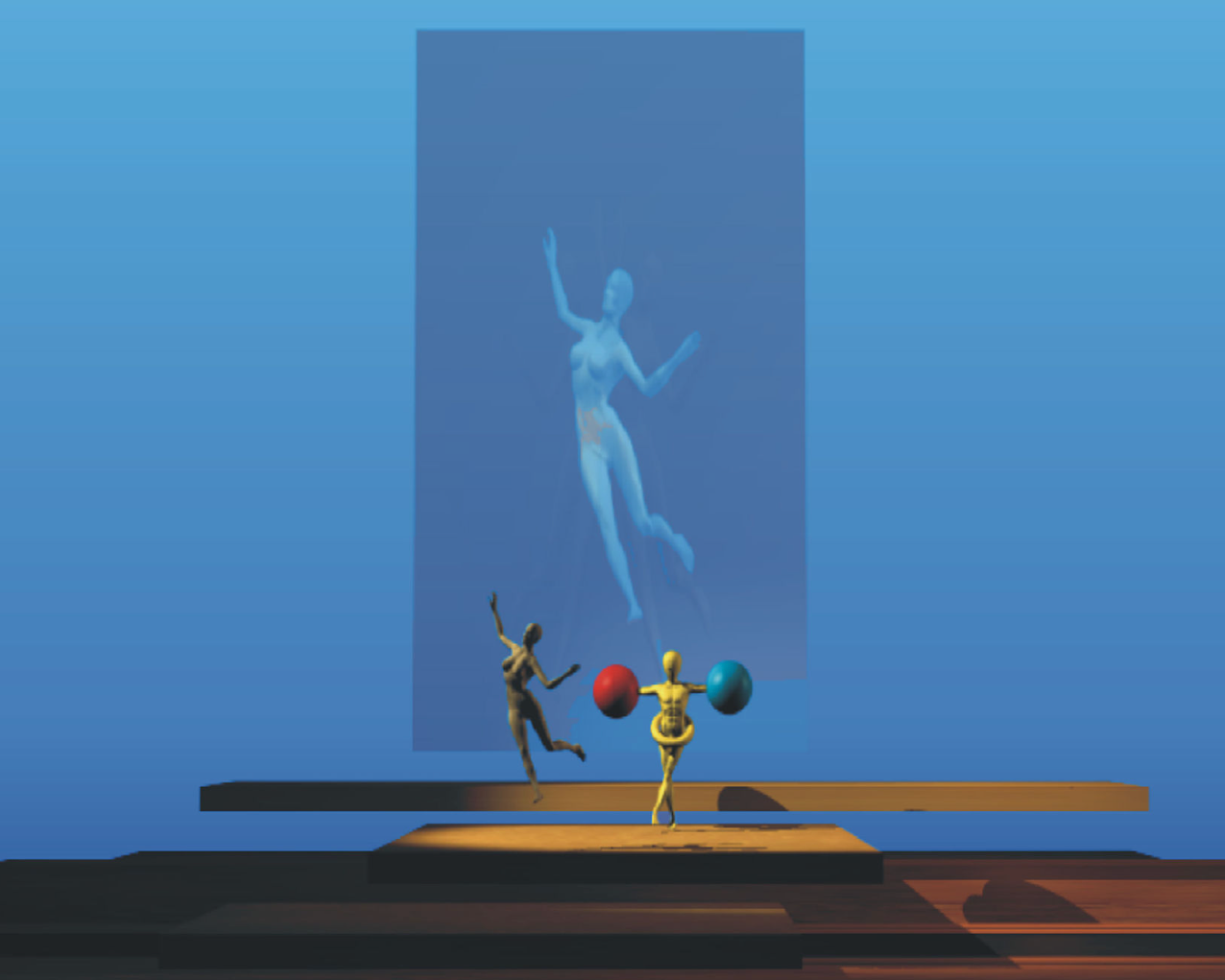
When I was about seven, my mother took me to a production of a 20th century absurdist opera by French composer Francis Poulenc called, in English, The Breasts of Tiresias. My mother loved the absurd, although I am not sure why, aside from that it’s great. Anyway, in the story, a woman named Therese hates her submissive life and becomes the male Tiresias when her breasts turn into balloons and float away. I remember very clearly the balloon-breasts floating out of Therese’s costume. There were so many of them. Very many breasts.
Sunroofs
My original point was something like: humans have language, and gender has randomly, artificially attached to body parts via language. The words we use for reproductive parts are like prosthetics, or like aftermarket automobile sunroofs (leaky). We could just as well have used other words.
If you poke at the idea of gender for even a second, you realize there’s nothing solid underneath it. We have tendencies, we have more-or-lesses, we have traits, we are always changing. It doesn’t cost us anything to recognize this and let ourselves keep changing. In fact, we gain by allowing ourselves this grace, and we lose—our children, our siblings, our dignity, our health, our liberty—by enforcing erroneous, arbitrary, cruelly limiting, ideas of gender.
There are no lady parts, just parts. We all just have parts!
Unstoppable
Given that we all just have parts, it becomes more enraging to me that uteruses, ovaries, vaginas, estrogen levels are underknown, under-researched, under-studied, underconsidered, dismissed. I am more outraged than I was before for the needless suffering my friend is going through. And that so many go through.
There is no reason for this imbalance of knowledge that affects the health of the majority of humans on earth.
You see why the current regime and other regimes have an interest in maintaining the fictional gender binary. But the truth can’t be stopped.
The first absurdists knew it. The baby punk stars knew it. Maybe even my mom knew it? I have faith the truth will free us, and this awful time will pass.
—N.R.
Noa Rabinow is a health care worker and the mother of a trans daughter in high school.
 Gender Defiant