Memory Lane Change
Digital photo companies’ gender adjustment tools let you align your past with your true self. It’s truly “reparative AI”
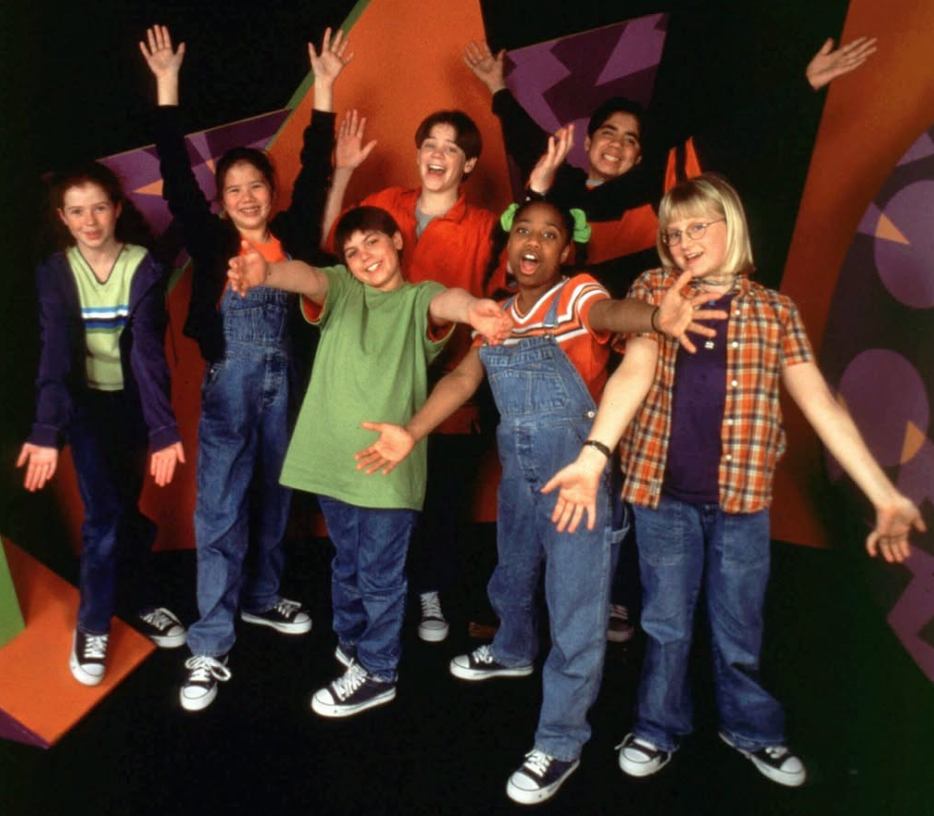
Remember the bad old days when social media bombed you with a photo memory that made your trans kid cry? Remember how relieved we all were in 2028 when it became illegal for companies to send you a “Your memories from 5 years ago” post?
Tech bros would have just ignored the law and paid damages. But people of all genders flooded into tech after the law changed, and that, as we know, was the end of the bro era. Companies made space for families like ours, of which there were more every day. Tech started to catch up with humanity. And make a profit.
No one should have their misgendered past shoved in their face. It’s even worse than deadnaming. It is dead-bodying, or “corpsing” as the kids called it. Emphasis on corp. Those same corporations could provide a solution, and they were ready.
Digital photo companies’ gender adjustment software was the first use of “reparative AI.” And it coincided with breakthrough solar, so trans people could adjust their appearance into the past without draining all the water on earth.
Instead of writing our 4th grade English papers, AI could do a thing. Who knew.
Early Days
Granted, there were issues in beta. Early tools were well meaning, but there was no slider scale for gender at first, just a binary “M/F” toggle.
For example, even with my child’s gender set to “F,” the tall fade at age 9 became a mullet, with undercut sides and short bangs. Izzy is a girl, not an enby. I tried to feminize her hair manually, de-layering and lengthening it using the airbrush. It wound up looking like a musketeer hat melted over her shoulders.
Early attempts at wardrobe were, let’s say, limited. Instead of searching for styles and fashions based on a person’s history and where and when a photo was taken, as the software does now, clicking “expand gender” defaulted to overalls and primary colors.
Famously there was that glitch when, if people in the frame were touching, dancing, or embracing, the Waldorf style spread over everyone like a circus tent. Then there was the week of random smocking, and the jacquard hack at the Costume Institute.
Sky-blue
That’s why it’s so delightful to see gender adjustment tools perfected and coming into wide use.
This week I held my breath and opened “Your memories from 5 years ago” (updated as a secure opt-in). Here was that picture I took of my kid and her pals in Covid masks, building a snowman. But instead of the cement-block-gray coat I ordered that winter off Old Navy “boys trends,” Izzy is in a sky-blue puffer. Her hair flies out, long and wavy, no buzz cut, and she wears cute hand-knit gloves.
I forwarded Izzy the image. She sent me a string of laughing stickers, a coronavirus emoji, and two rows of lipstick hearts.
Compare that with the morning years ago when I sent a photo that made Izzy’s dysphoria explode. Just don’t send me pictures, she shot back. I felt so bad for hurting her. The image I sent—of us at an ultimate frisbee tournament—was a happy memory. But not for Izzy. It was from before she started HRT, when she did not look or feel like herself.

Nuances
Now AI cross-references facial recognition with people’s social media and geography via GPS. Outskirts of Boise in 1982? Atlanta 2012? A family trip to Paris for the last millennium? The contextualizer is sophisticated, generating clothes, shoes, and accessories available through retail, resale, or thrift at the time and of the place. It accounts for users’ social circles, ability, interests, and race/ethnicity (I won’t remind anyone of the racist debacles in early AI, but if you missed them, here’s a brief.)
I played with a product called GenderRevel today, dialing back my femininity toward the midspectrum. I submit that I did revel. The app dressed me in a Beach Boys concert t-shirt—from the first concert I ever attended, at Kiel Auditorium in St. Louis.
Damn.
Depending on your personal gender slider—each family member has their own individual controls—nuances abound. When I made a tinier adjustment, to .003 more femme in a circa 1986 image, I unleashed a submenu of giant hair clips.
Therapeutic
The latest gender software is so smart that it is winning everyone’s hearts. My photo sharing app reports that 92% of subscribers across age and income spectrums have accessed the gender controls. That number might have been shocking back in 2026, but when civil rights for trans people became enshrined, the shame around gender popped like a bubble-wand bubble.
Personally I’m happy people are exploring gender adjustment tools on photo album and sharing sites. I have always thought that everyone is at least a little bit trans—or put another way, not 100% inside the gender box they were assigned at birth. I’m not suggesting that 92% of people are trans. Just that we have more inside us than we have been allowed to acknowledge without fear.
We have more inside us than we have been allowed to acknowledge without fear.
If software gives people a low-bar way to have curiosity about themselves, I would call it therapeutic. My cousin Joe recalibrated his gender slider and sent me a photo of himself from a work party. He didn’t feel totally comfortable with it, but he didn’t not like it. We wound up having a conversation about how even cis people can have dysphoria.
Grandparents
Gender adjustment tools are secured with iris technology. You choose if, when, and with whom you want to go public on photo sharing sites and social media.
What that means for trans families: if you use gender adjustment controls to align your identity with your past, and choose to go public to family members, your aligned gender will appear in your grandparents’ online albums—but you are just as likely to log in and discover that your grandparents have adjusted their own gender controls in your online albums.
If that sounds unlikely, it is already happening. This week, a dear friend in her 90s, a retired professor whom I always knew as a woman, materialized in my grad school photo album as a man. That update was not a complete surprise. When I shared with her, nine years ago, that my child is trans, her response was that if that had been available to her when she was young, she would have come out as trans too. She always felt inside that she was a man.
—N.R.
Noa Rabinow is a health care worker and an editor at Gender Defiant.
 Noa Rabinow